Optimal Timing for Foundation Repairs
Foundation settlement repairs are most effectively performed during periods of stable soil conditions. Typically, the best time is when soil moisture levels are consistent, reducing the risk of further movement. This often corresponds to the drier months when there is less water infiltration and soil expansion or contraction is minimized.
Performing repairs during seasons with moderate weather conditions can also prevent delays caused by extreme temperatures or heavy rainfall. Proper timing ensures the longevity of repairs and reduces the likelihood of recurring settlement issues.
Spring and fall are generally ideal for foundation repairs due to moderate weather and soil moisture levels.
Repairs should be scheduled when soil moisture levels are stable to prevent additional settlement.
Avoid repairs during extreme weather conditions, such as heavy rain or freezing temperatures, which can hinder work and affect results.
Conduct inspections during dry periods to accurately assess foundation movement and plan repairs accordingly.
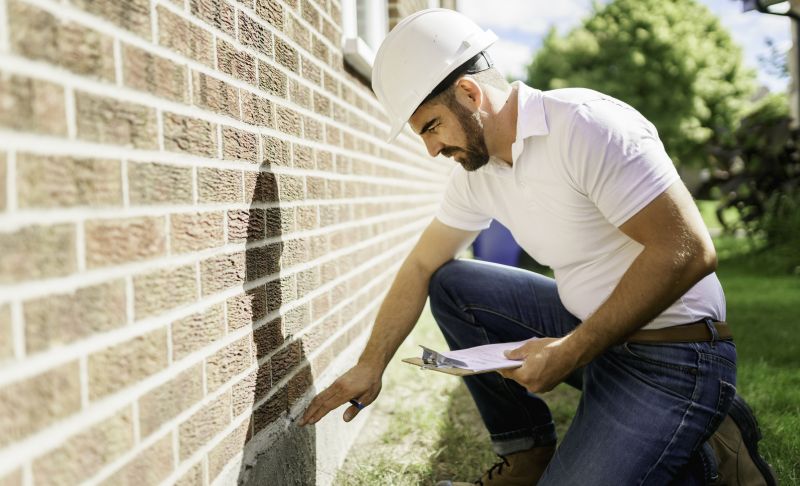
Structural assessment during optimal seasons ensures accurate diagnosis.
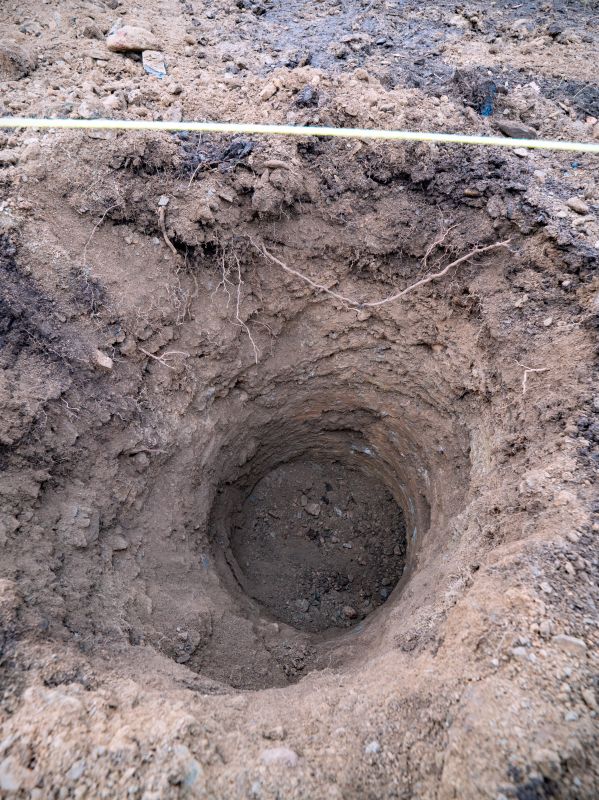
Soil moisture testing is crucial before scheduling repairs.
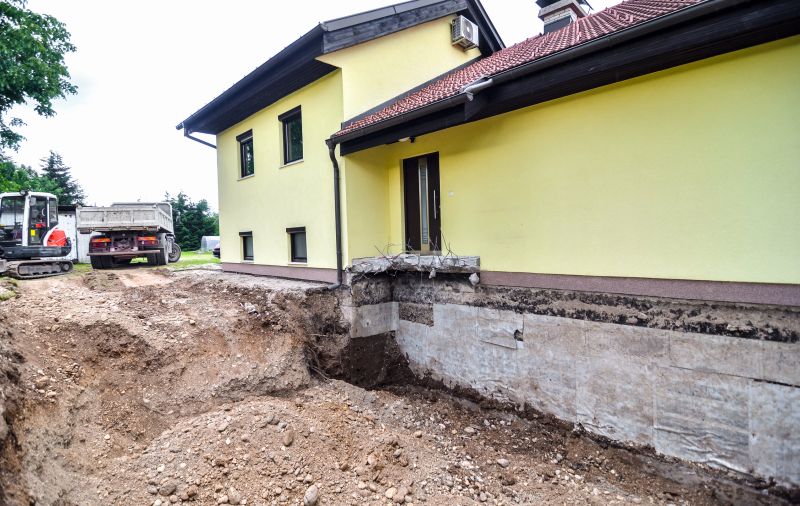
Foundation stabilization during suitable weather conditions ensures quality work.
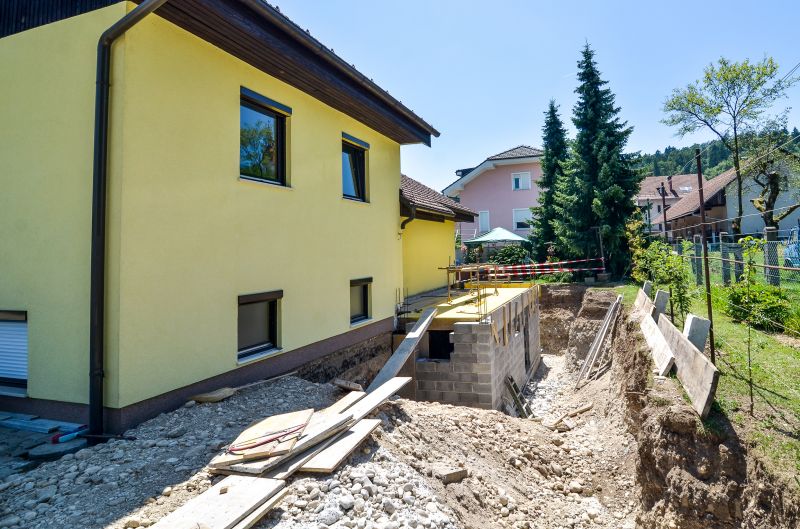
Durable repairs achieved during ideal timing.
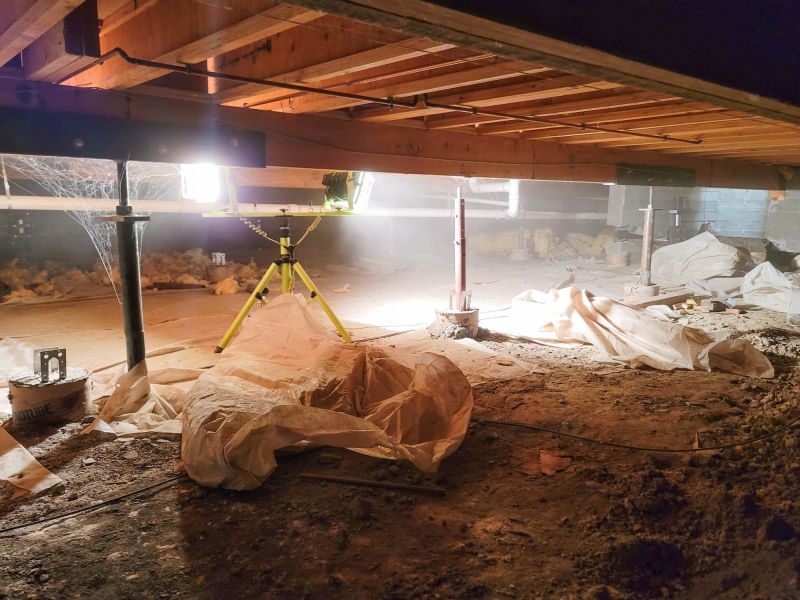
Ways to make Foundation Settlement Repairs work in tight or awkward layouts.
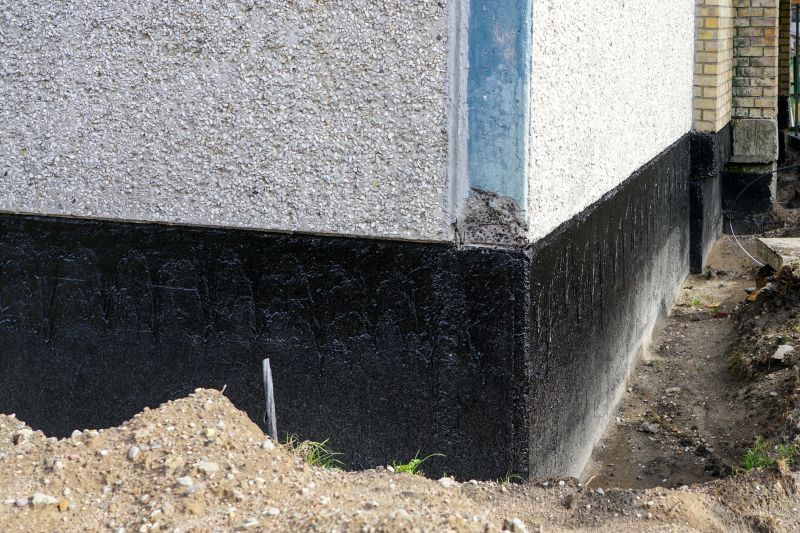
Popular materials for Foundation Settlement Repairs and why they hold up over time.
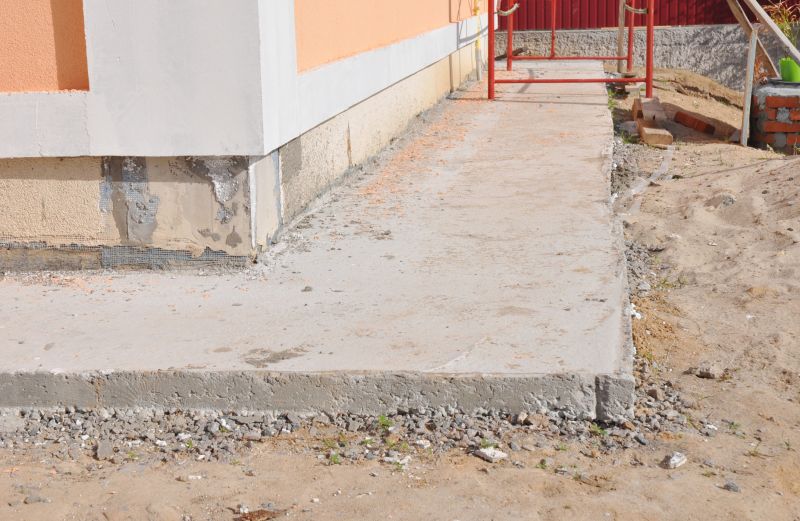
Simple add-ons that improve Foundation Settlement Repairs without blowing the budget.
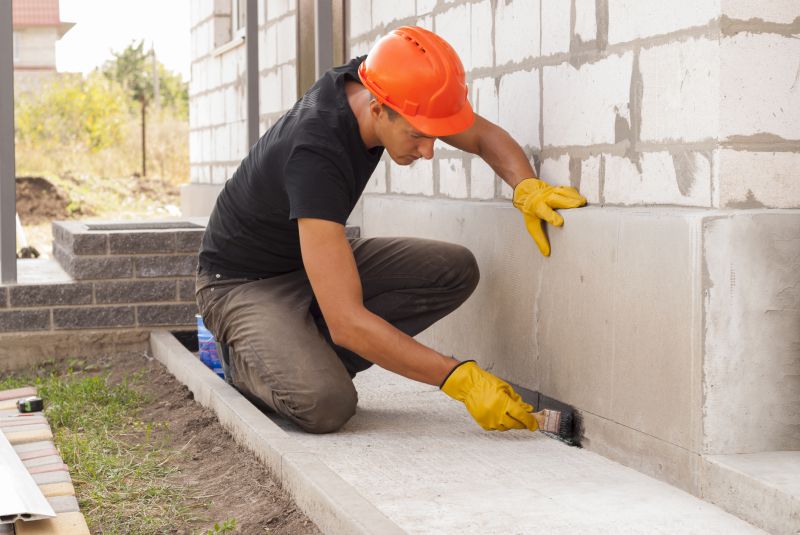
High-end options that actually feel worth it for Foundation Settlement Repairs.
| Season | Optimal Repair Conditions |
|---|---|
| Spring | Moderate soil moisture, mild weather |
| Summer | Dry, stable conditions preferred |
| Fall | Stable soil moisture, cooler temperatures |
| Winter | Not recommended due to freezing conditions |
Foundation settlement can lead to uneven floors, cracked walls, and structural instability. According to industry statistics, early intervention during optimal seasons can reduce repair costs by up to 30%. Proper timing allows for more accurate assessments and effective application of stabilization techniques, which include underpinning, piering, or soil stabilization methods. The effectiveness of these repairs depends heavily on weather conditions, soil type, and moisture levels, making timing a critical factor.
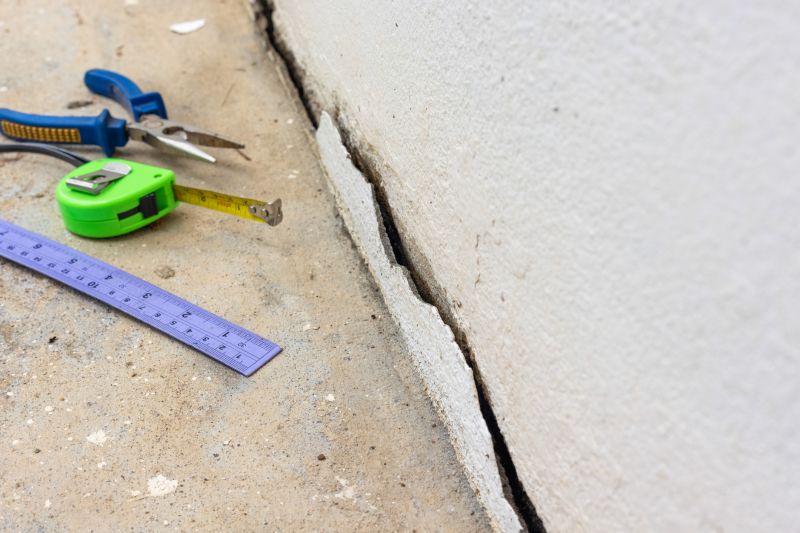
Specialized tools used during optimal repair periods.
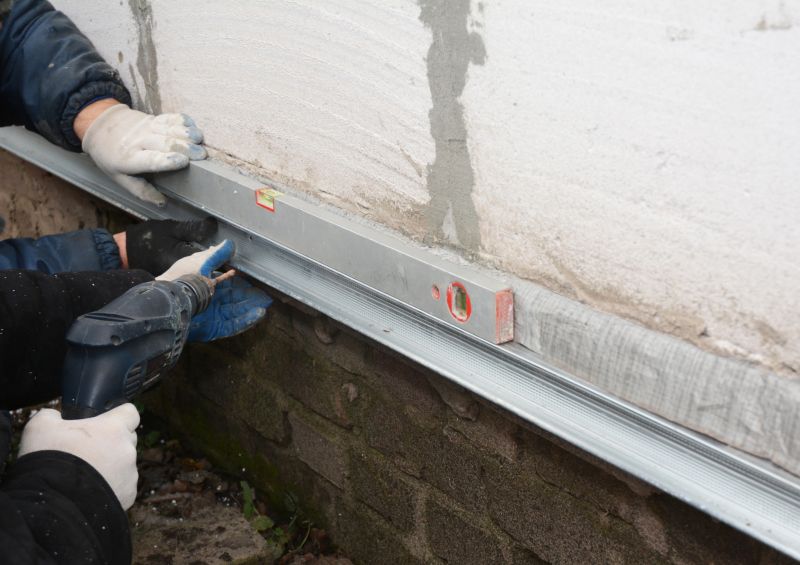
Implementing soil stabilization during stable conditions.
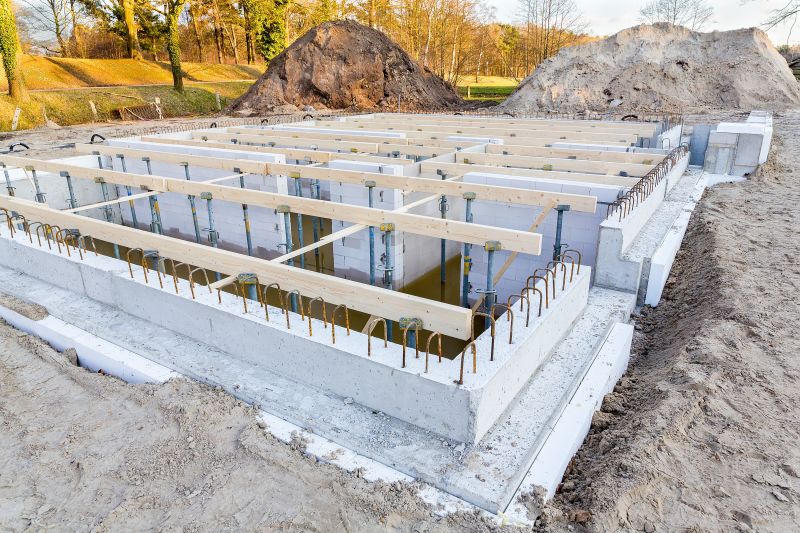
Pier installation in suitable weather for durability.
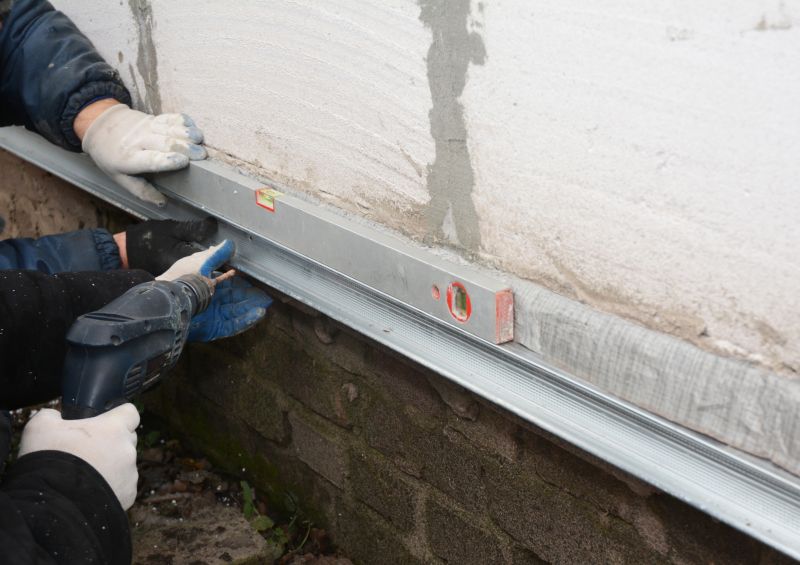
Ensuring stability after repairs are completed.
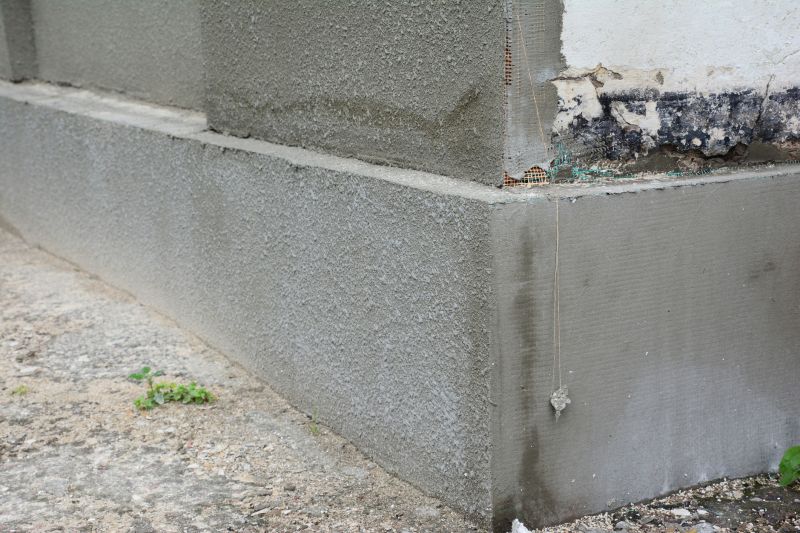
Finishes and colors that play nicely with Foundation Settlement Repairs.
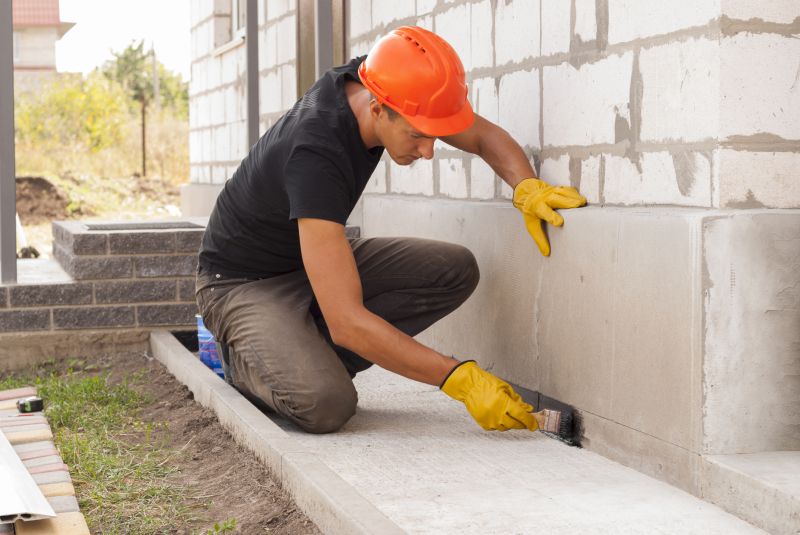
Little measurements that prevent headaches on Foundation Settlement Repairs day.
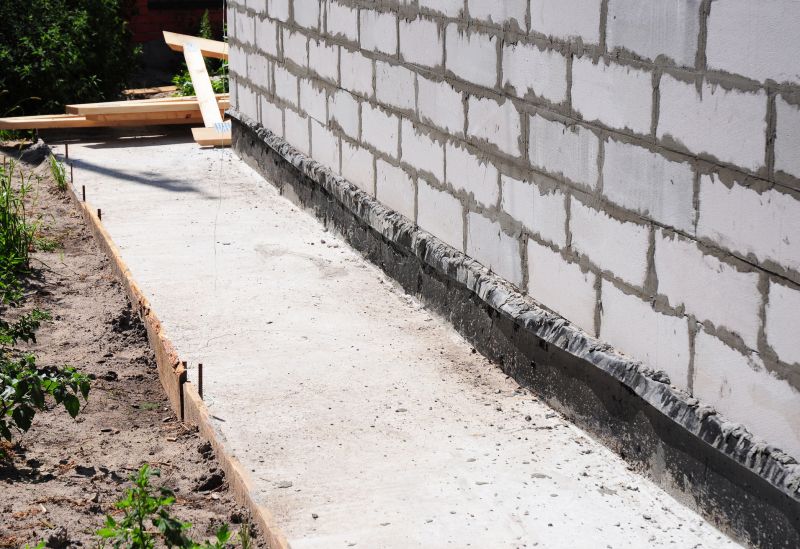
A 60-second routine that keeps Foundation Settlement Repairs looking new.
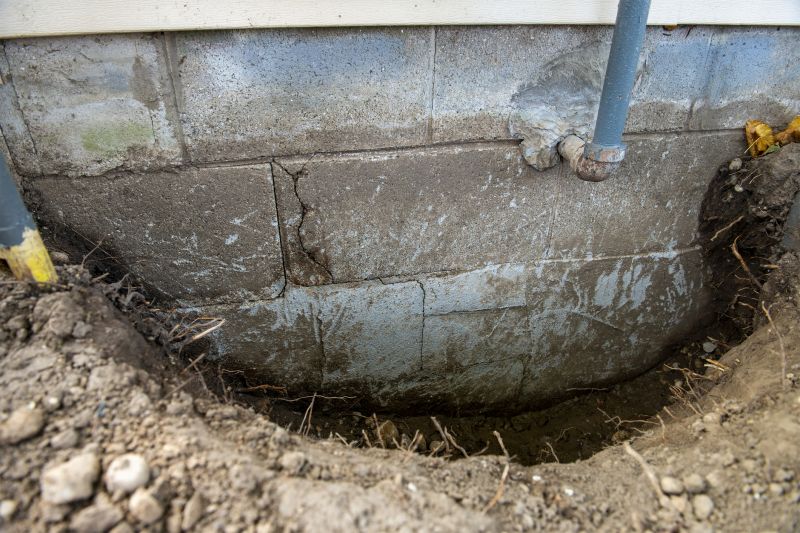
A frequent mistake in Foundation Settlement Repairs and how to dodge it.
Interested property owners should consider scheduling foundation settlement repairs during periods of soil stability and moderate weather. Proper timing can enhance repair longevity and reduce the likelihood of future settlement issues. For further information or to discuss options, it is recommended to contact a foundation specialist to evaluate the specific conditions of the site.